
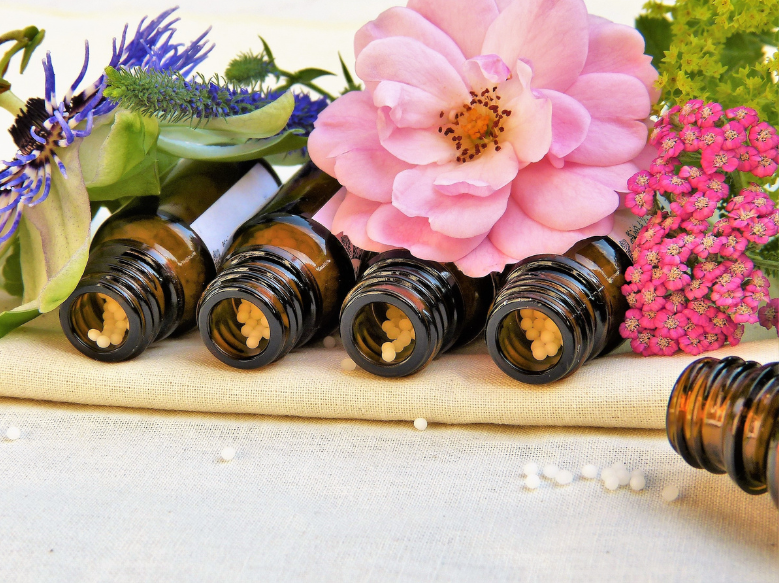
Homeopathy is a practical, gentle system of medicine that can be safely used at home for many common, self-limiting conditions. One of its greatest strengths is its ability to support the body’s natural healing response during everyday illnesses, minor injuries, and emotional upsets—especially when symptoms are clear and recent.
Using homeopathy at home does not mean replacing professional care. Rather, it empowers families to respond thoughtfully to common situations while knowing when to seek deeper or urgent support.
When Homeopathy Is Appropriate to Use at Home
Homeopathy is well suited for acute, uncomplicated situations where symptoms are mild to moderate, recent in onset, and improving or stable. These may include minor infections, digestive upsets, first aid situations, teething, stress-related symptoms, and short-term emotional shocks.
If symptoms are severe, rapidly worsening, persistent, or concerning—or if there is high fever, breathing difficulty, chest pain, neurological symptoms, or dehydration—medical evaluation is essential.
Common Conditions You Can Support at Home With Homeopathy
Colds, Flu, and Viral Illnesses
At the first sign of a cold or flu, homeopathy can be particularly helpful. The remedy is chosen based on how the illness begins and how the person feels.
Aconitum napellus may be considered when symptoms come on suddenly after exposure to cold wind or shock, often with restlessness and anxiety.
Belladonna may be helpful when fever is high, the face is flushed, and symptoms are intense and throbbing.
Ferrum phosphoricum is often used in early or mild infections when symptoms are vague but fatigue and low-grade fever are present.
Gelsemium may suit flu-like illness with heavy fatigue, body aches, chills, and a desire to lie still.
Coughs and Sore Throats
Different coughs and sore throats require different remedies, even if the diagnosis is the same.
Bryonia alba is often considered when coughing is painful and worse from movement, with dryness and thirst.
Hepar sulphuris may help sore throats or coughs that are extremely sensitive, painful, and worse from cold air.
Phosphorus may be useful for dry, tickling coughs with chest sensitivity and thirst for cold drinks.
Digestive Upsets and Food Reactions
Homeopathy can be very effective for sudden digestive disturbances.
Nux vomica is commonly used for nausea, indigestion, constipation, or stomach upset after stress, rich food, travel, or lack of sleep.
Arsenicum album may be helpful for food poisoning or stomach flu with burning pain, restlessness, anxiety, and frequent small sips of water.
Pulsatilla may suit digestive upsets with bloating, nausea, or loose stools, especially after fatty foods, and when symptoms are changeable.
First Aid: Injuries, Falls, and Overexertion
Homeopathy has a long tradition of use in first aid situations.
Arnica montana is often the first remedy considered after falls, bumps, bruises, accidents, dental work, or overexertion.
Ruta graveolens may help strains, sprains, and injuries to tendons and ligaments.
Hypericum perforatum is often used for injuries involving nerves, such as crushed fingers or toes.
Allergies, Bites, and Skin Reactions
Mild allergic reactions and skin complaints can often be supported at home.
Apis mellifica may be considered for insect bites, hives, or swelling with stinging pain, redness, and heat.
Urtica urens may help itching, rashes, or hives that feel burning and irritated.
Rhus toxicodendron is often used for rashes with intense itching that feels better from warmth or movement.
Teething, Childhood Complaints, and Minor Fevers
Homeopathy is frequently used by families for children’s acute issues.
Chamomilla may help teething pain with irritability, restlessness, and sensitivity.
Pulsatilla may be useful when children are clingy, weepy, and feel better with comfort and fresh air.
Belladonna may be considered when fevers come on suddenly and intensely.
Emotional Shocks and Acute Stress
Homeopathy also addresses sudden emotional disturbances.
Ignatia amara may help after grief, disappointment, or emotional shock, especially when symptoms are contradictory or intense.
Aconitum napellus may be helpful after fright or panic with lingering anxiety.
Gelsemium may suit anticipatory anxiety with weakness and trembling.
Practical Tips for Using Homeopathy at Home
Start with simple remedies and clear symptom pictures. Less is often more—stop dosing once improvement begins. Avoid repeated dosing if symptoms are steadily resolving. Keep remedies away from strong odors and store them in a cool, dry place.
Most home kits include common potencies such as 30C, which are suitable for general home use. If there is no improvement, or if symptoms worsen, professional guidance is advised.
When to Seek Professional Homeopathic or Medical Care
If acute issues recur frequently, linger, or are accompanied by deeper fatigue, hormonal imbalance, emotional distress, or chronic illness, a constitutional homeopathic approach may be needed. Similarly, emergencies and serious medical conditions require immediate conventional medical care.
A Gentle Closing Thought
Using homeopathy at home can be empowering, practical, and supportive for everyday life. When used thoughtfully and respectfully, it allows families to respond calmly to common health challenges while honoring the body’s innate capacity to heal.
If you would like guidance on building a homeopathic home kit or choosing remedies confidently, a consultation with a qualified homeopath can offer clarity and personalized support.