
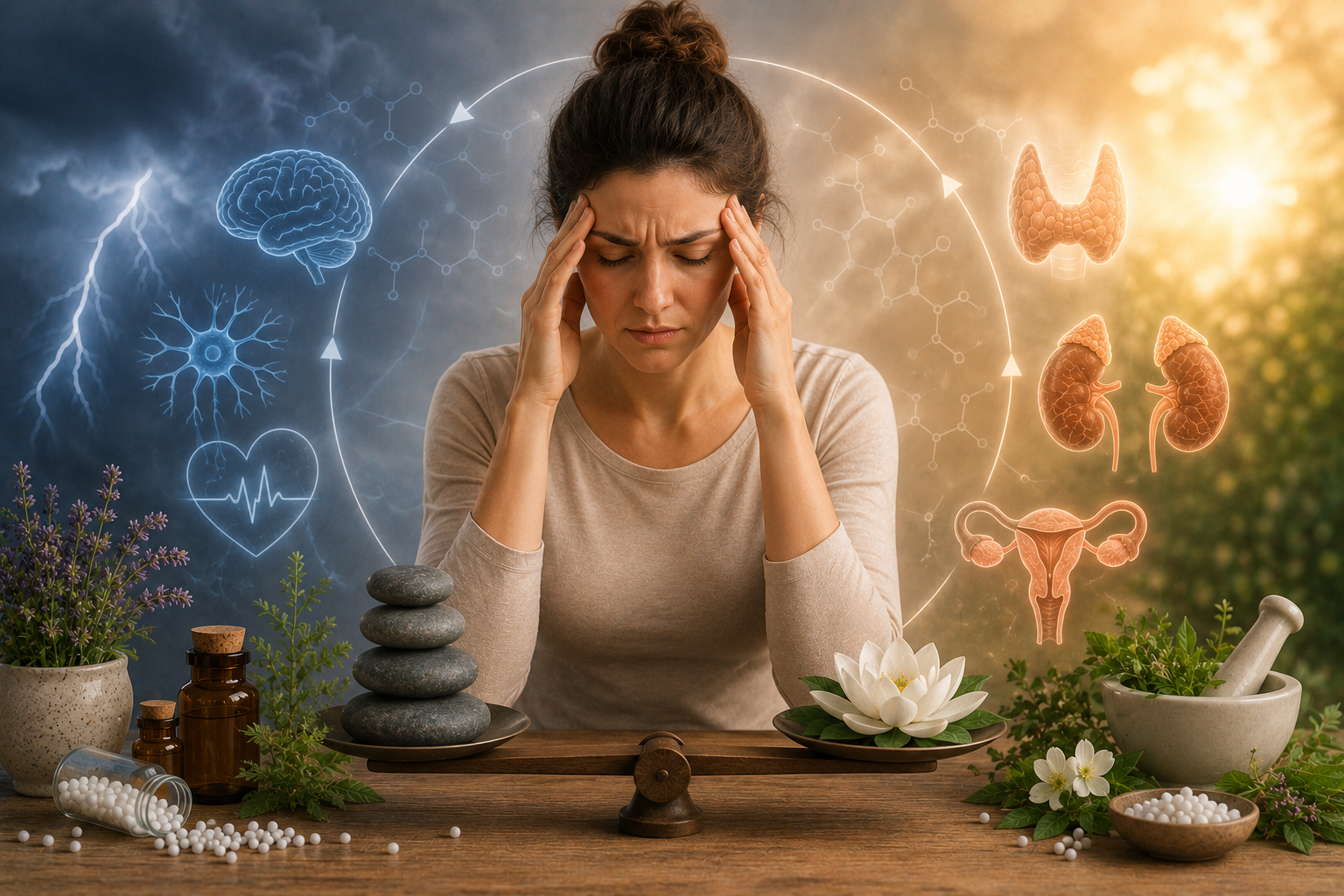
Do you feel exhausted but wired? Struggle with sleep, mood swings, weight changes, or irregular cycles? Many people think these symptoms are unrelated, but they often have a common root: chronic stress affecting the hormonal system.
Your body is designed to handle short bursts of stress. The problem arises when stress becomes constant—whether from work, family responsibilities, illness, lack of sleep, emotional strain, or simply the pace of modern life. Over time, the stress response can disrupt multiple hormones, leaving you feeling “off” in ways that are difficult to explain.
How Stress Affects Hormones
The Stress Response: When your brain perceives stress, it activates the hypothalamic-pituitary-adrenal (HPA) axis. This signals the adrenal glands to produce stress hormones, including cortisol.
In the short term, cortisol is helpful. It increases alertness, mobilizes energy, and helps you respond to challenges. But when cortisol remains elevated for weeks or months, it can begin to interfere with other hormonal systems.
Common Hormonal Effects of Chronic Stress
1. Disrupted Sleep Hormones
Stress can alter the natural cortisol rhythm, making it harder to fall asleep or stay asleep. Many people feel tired during the day but become more alert at night.
2. Menstrual and Reproductive Changes
Chronic stress may contribute to:
- Irregular periods
- Worsening PMS symptoms
- Increased menstrual pain
- Reduced fertility
The body tends to prioritize survival over reproduction during times of prolonged stress.
3. Weight and Metabolism Changes
Elevated cortisol can increase cravings for sugar and carbohydrates, promote abdominal fat storage, and make weight management more challenging.
4. Thyroid Function May Be Affected
Stress does not usually cause thyroid disease directly, but it can influence thyroid hormone regulation and contribute to symptoms such as fatigue, brain fog, and feeling cold.
Signs Your Stress and Hormones May Be Connected
You may notice:
- Persistent fatigue despite adequate sleep
- Anxiety, irritability, or mood swings
- Difficulty concentrating
- Irregular menstrual cycles
- Changes in appetite or weight
- Frequent headaches
- Feeling overwhelmed by minor tasks
- Reduced resilience to stress
These symptoms can have many possible causes, so a proper evaluation is important.
Why Women Often Feel the Effects More Strongly
Hormones do not work independently. They function as an interconnected system. When stress hormones remain elevated, they can influence reproductive hormones, thyroid function, blood sugar regulation, and sleep patterns. This is one reason why many women notice worsening hormonal symptoms during particularly stressful periods of life.
Perimenopause, menopause, caring for aging parents, raising children, demanding careers, and major life transitions can all place significant demands on the body’s ability to adapt. The result can be a feeling that your body is no longer functioning the way it once did.
The Importance of Looking Beyond Blood Tests
Many people experiencing stress-related hormonal symptoms are told that their blood tests are “normal.” While laboratory testing can provide valuable information, it doesn’t always explain why someone feels exhausted, overwhelmed, unable to cope, or unlike themselves.
Health is about more than numbers on a page. A person can experience significant symptoms long before measurable dysfunction appears on standard testing. This is why a comprehensive approach that considers physical, emotional, and mental symptoms is so important.
Where Homeopathy Fits In
Classical homeopathy does not treat a diagnosis in isolation. Instead, it aims to understand the person as a whole—their physical symptoms, emotional state, energy levels, sleep patterns, sensitivities, and stress responses. During a homeopathic consultation, we explore:
- How do you react to stress?
- What makes your symptoms better or worse?
- Are you more anxious, irritable, withdrawn, or exhausted?
- How are your sleep, appetite, and energy patterns changing?
- Menstrual or hormonal changes
- Your overall health history
Individualized care: A homeopathic remedy is selected based on the person’s unique symptom picture, not solely on the label of “stress” or “hormonal imbalance.”
Supporting the body’s regulation: The goal is to support the body’s own regulatory mechanisms and help restore balance and resilience over time.
Supportive Lifestyle Strategies
Homeopathic care is often most effective when combined with healthy daily habits:
Prioritize Sleep: Aim for consistent sleep and wake times.
Move Your Body: Regular walking, yoga, or gentle exercise can help regulate stress hormones.
Eat Balanced Meals: Include protein, healthy fats, and fiber to support stable energy levels.
Create Recovery Time: Even brief periods of relaxation, deep breathing, or time outdoors can help.
When to Seek Professional Help
Consider seeking support if:
- Symptoms persist for more than a few weeks
- Fatigue interferes with daily life
- Menstrual changes are significant
- Anxiety or mood symptoms are worsening
- You feel unable to cope with stress
A healthcare professional can help determine whether symptoms are related to stress, hormones, or another underlying condition.
Ready to Restore Balance?
Book a consultation: If you’re experiencing fatigue, mood changes, irregular cycles, or other stress-related symptoms, our clinic offers individualized homeopathic care designed to address the root causes of imbalance. Together, we can explore a personalized plan to support your hormonal health and overall wellbeing. Schedule a consultation today and take the first step toward feeling like yourself again.