
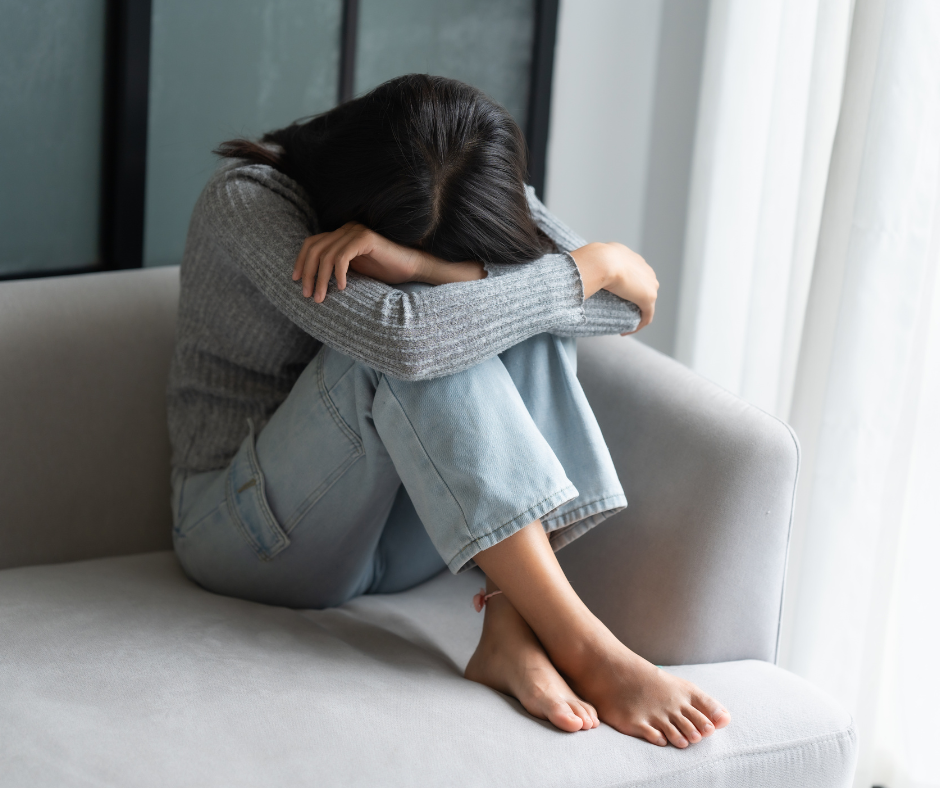
Premenstrual Dysphoric Disorder (PMDD) is a severe and often misunderstood condition that affects a subset of menstruating women. Unlike typical premenstrual symptoms, PMDD can significantly interfere with emotional stability, relationships, work, and daily functioning.
Women with PMDD are not “overreacting,” weak, or failing to cope. PMDD is a recognized medical condition that deserves careful, compassionate, and professional care.
What Makes PMDD Different from PMS
While PMS may involve discomfort or emotional changes, PMDD is characterized by intense emotional and psychological symptoms that occur in a predictable pattern during the luteal phase of the menstrual cycle and resolve shortly after menstruation begins.
Common symptoms may include:
- Severe mood swings or emotional distress
- Intense irritability or anger
- Anxiety or panic symptoms
- Depression or hopelessness
- Difficulty concentrating
- Feeling overwhelmed or out of control
In some cases, symptoms may include thoughts of self-harm. Any such symptoms require immediate medical attention.
Medical Evaluation Is Essential
If PMDD is suspected, a thorough medical and mental health evaluation is essential.
Diagnosis typically involves:
- Tracking symptoms across multiple cycles
- Ruling out other mood disorders
- Assessing the impact on daily functioning
Conventional treatment options may include hormonal therapies, SSRIs, lifestyle support, or other interventions. These treatments can be life-changing for many women and should never be dismissed or discouraged.
Homeopathy does not replace medical or psychiatric care in PMDD.
Where Homeopathy May Play a Supportive Role
For women already under appropriate medical supervision, homeopathy may be considered as a complementary, supportive approach, not a standalone treatment.
Homeopathy focuses on:
- The individual emotional and physical response to hormonal shifts
- Long-standing stress patterns and nervous system regulation
- Overall resilience and recovery between cycles
Some women seek homeopathic care to support:
- Emotional steadiness across the cycle
- Stress tolerance and sleep quality
- Sense of grounding and self-awareness
Any homeopathic involvement in PMDD must be cautious, closely monitored, and integrated with conventional care.
Individualization Is Especially Important
PMDD symptoms may look similar on the surface, but the internal experience can vary greatly.
A trained homeopath does not prescribe based on the diagnosis alone. Instead, care is individualized, attentive, and responsive to changes over time.
Because of the emotional intensity involved, self-prescribing is strongly discouraged in PMDD.
Why There Is No “PMDD Remedy”
It is natural to search for a specific remedy for PMDD. However, from a classical homeopathic perspective, PMDD is not treated as a single, uniform condition.
While the timing of symptoms may be similar across women, the inner experience can be very different:
- One woman may feel overwhelmed and tearful
- Another may feel enraged and explosive
- Another may experience intense anxiety or despair
Homeopathy does not match remedies to diagnoses—it matches remedies to individual response patterns.
Remedy Patterns Sometimes Seen in PMDD Care
The following remedy descriptions are educational examples, not treatment recommendations. They illustrate how homeopaths think about patterns, not how patients should self-prescribe.
Lachesis
Sometimes considered when symptoms are intense, emotionally charged, and worsen before menstruation begins, with relief once bleeding starts. Emotional expression may feel urgent or overwhelming.
Sepia
May be seen in women who feel emotionally disconnected, deeply irritable, or burdened during the premenstrual phase, often alongside long-standing exhaustion or hormonal strain.
Natrum muriaticum
Sometimes associated with inward emotional distress, heightened sensitivity, or difficulty sharing feelings. Premenstrual symptoms may involve sadness or emotional withdrawal rather than outward expression.
Ignatia
May be considered when emotional symptoms are intense, changeable, or linked to suppressed grief or stress, with heightened sensitivity during the luteal phase.
Pulsatilla
Occasionally seen when emotional symptoms involve tearfulness, vulnerability, and a strong need for reassurance or connection.
Again, these are incomplete sketches. In practice, remedy selection involves a detailed understanding of the whole person, their history, stress patterns, and overall health.
Acute Symptom Relief vs. Constitutional Care
Some women inquire about remedies specifically for the days when PMDD symptoms peak. Others seek deeper, longer-term support for emotional regulation and resilience across the entire cycle.
In classical homeopathy, constitutional care may be explored cautiously and over time, always in coordination with medical treatment. The goal is not to suppress symptoms, but to support improved regulation and recovery between cycles.
Progress, when it occurs, is usually gradual.
Why Self-Prescribing Is Especially Risky in PMDD
Because PMDD involves significant emotional and psychological symptoms, self-prescribing homeopathic remedies can be risky and ineffective.
Without careful assessment, remedies may:
- Miss the true underlying pattern
- Lead to inconsistent results
- Delay appropriate medical support
For this reason, professional supervision is strongly advised if homeopathy is considered at all in PMDD.
An Integrative, Respectful Approach
PMDD is not a failure of willpower, mindset, or self-care. Living with PMDD can feel isolating and frightening. Many women struggle silently, unsure of where to turn or whether their experience will be taken seriously.
It reflects a heightened sensitivity of the brain and nervous system to hormonal shifts—often influenced by stress, trauma, and long-term overload. Healing support begins with being believed, properly evaluated, and cared for with respect.
Any supportive approach, including homeopathy, must honor the seriousness of the condition, respect medical care, and prioritize safety.
When used responsibly and collaboratively, homeopathy may offer gentle support for some women—but it must always remain secondary to appropriate medical and mental health treatment.
If you suspect PMDD, please seek professional evaluation. You deserve care that is comprehensive, compassionate, and safe.
Emergency & Crisis Support
PMDD can involve intense emotional distress. If at any point you experience thoughts of self-harm, suicidal thoughts, or feel unsafe, please seek immediate help.
- Call 911 (or your local emergency number) if you are in immediate danger
- 988 Suicide & Crisis Lifeline (U.S.) — Call or text 988 to speak with a trained counselor, available 24/7
- Crisis Text Line — Text HOME to 741741 (U.S. & Canada)
- If you are outside the U.S., please seek your local emergency services or crisis hotline
You may also reach out to:
- A trusted family member or friend
- Your primary care physician, psychiatrist, or mental health provider
Complementary therapies, including homeopathy, should never replace emergency or psychiatric care. Your safety and well-being come first.