
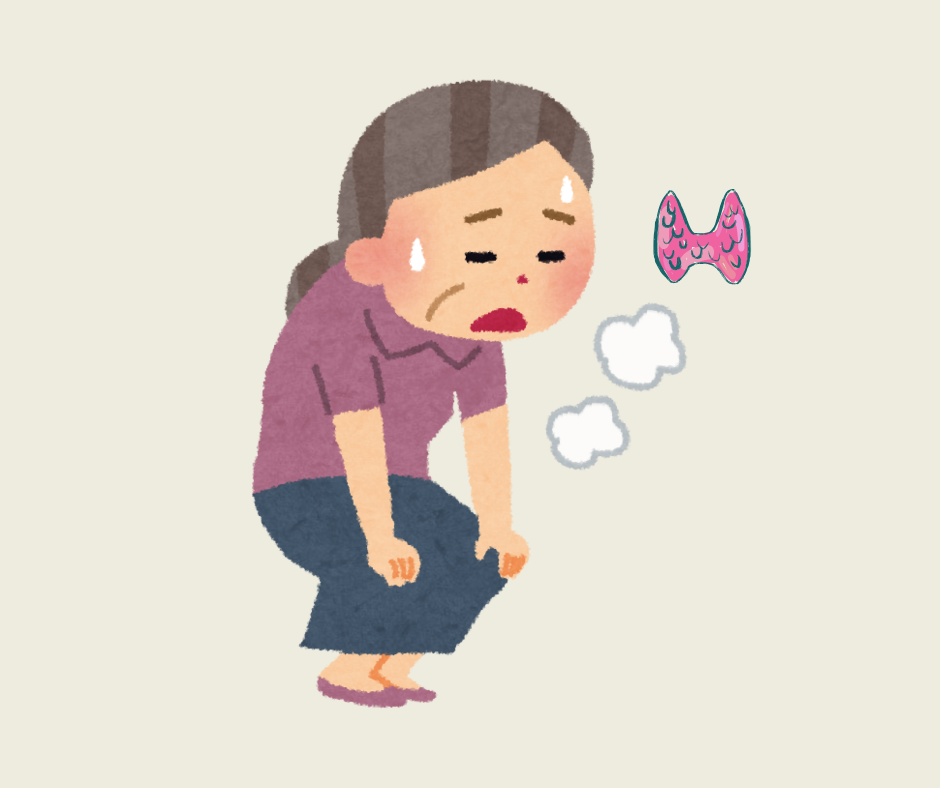
A gentle approach for moments when the thyroid suddenly feels “out of balance.”
For many people living with a thyroid imbalance, there are periods when symptoms suddenly intensify. You may be doing reasonably well for months, and then out of nowhere the body feels like it is spiraling again — fatigue deepens, anxiety rises, sleep becomes disrupted, or the heart races.
These episodes are often described as thyroid flare-ups.
In classical homeopathy, we view these flare-ups as acute expressions of an underlying chronic imbalance. The body is attempting to rebalance itself, and during these periods it may need temporary support while the deeper healing process continues.
Understanding how to manage these acute episodes can make a big difference in how comfortable and supported you feel.
What Is a Thyroid Flare-Up?
A thyroid flare-up usually refers to a temporary worsening of symptoms associated with thyroid imbalance, including both hypothyroid and hyperthyroid tendencies. Common flare symptoms may include:
- Sudden exhaustion or heaviness in the body
- Brain fog and poor concentration
- Anxiety or internal restlessness
- Heart palpitations
- Feeling unusually cold or overheated
- Sleep disturbances
- Emotional sensitivity or irritability
- Increased sensitivity to stress
- Digestive sluggishness or bloating
These episodes may last a few days to a few weeks and are often triggered by changes in the body or environment.
Common Triggers for Thyroid Flare-Ups
In my practice, several patterns frequently precede thyroid flares:
Stress and emotional overload
Periods of prolonged stress can strain the endocrine system and contribute to flare-ups.
Burnout and overwork
When the body runs on adrenaline for too long, the thyroid and adrenal system can become depleted.
Illness or infection
A cold, flu, or viral illness can temporarily disrupt hormonal balance.
Sleep deprivation
Major life changes
Travel, grief, hormonal shifts, or intense life transitions.
Seasonal changes
In homeopathy, we pay attention to what preceded the flare because the trigger often helps guide remedy selection.
The Homeopathic View
Classical homeopathy does not treat the thyroid gland in isolation. Instead, we view thyroid imbalance as part of a whole-system pattern involving the nervous system, endocrine system, and emotional state.
During a flare-up, a carefully chosen acute remedy may help calm the nervous system, regulate stress responses, and support the body’s self-regulating mechanisms.
These remedies are selected based on the individual symptom picture, not just the diagnosis. Below are a few remedies that may be considered depending on the symptoms present.
Homeopathic Remedies Often Considered During Thyroid Flare-Ups
(Always use remedies thoughtfully and seek professional guidance for chronic thyroid conditions.)
Nux Vomica – The Overworked, Overstimulated State
This remedy often comes up for people experiencing thyroid flares after periods of intense work, stress, or burnout. Common indications include:
- Irritability and impatience
- Digestive upset or bloating
- Waking around 3–4 a.m. with racing thoughts
- Sensitivity to noise, light, or odors
- Feeling wired but exhausted
- Overwork, caffeine, or lifestyle excess preceding the flare
This pattern is very common in modern life — especially among people who push themselves hard and struggle to slow down.
Arsenicum Album – Anxiety with Exhaustion
This remedy may be helpful when flare-ups involve restlessness and anxious exhaustion. Key features include:
- Anxiety about health
- Restlessness despite fatigue
- Worsening symptoms after midnight
- Chilly, seeking warmth
- Feeling better with small sips of water
- Perfectionist tendencies
These individuals often feel mentally agitated but physically depleted.
Lycopodium – Fatigue with Digestive Disturbance
This remedy may be considered when thyroid flare-ups are accompanied by digestive imbalance and afternoon fatigue. Typical symptoms include:
- Bloating and gas after eating
- Fatigue between 4–8 p.m.
- Brain fog
- Craving sweets
- Right-sided complaints
- Low confidence despite appearing capable
Stress and over-responsibility often precede flare-ups in this pattern.
Ignatia – Thyroid Flares Triggered by Emotional Stress
When flare-ups follow grief, emotional shock, or suppressed emotions, Ignatia may be relevant. Symptoms may include:
- Mood swings
- A lump sensation in the throat
- Sighing or emotional sensitivity
- Alternating energy levels
- Sleep disturbances after emotional upset
The thyroid is closely linked with emotional regulation, so unresolved emotional stress can strongly influence flare patterns.
Phosphoric Acid – Deep Exhaustion After Burnout
This remedy may be considered when flare-ups arise from long-term stress or emotional depletion. Key features include:
- Profound mental and physical fatigue
- Brain fog and apathy
- Weakness after illness or prolonged stress
- Hair loss
- Difficulty concentrating
People needing this remedy often feel completely drained rather than anxious or restless.
Supportive Measures During Thyroid Flare-Ups
Homeopathic remedies work best when the body is also supported through restorative lifestyle measures.
Prioritize Rest
Flare-ups are often a sign the body needs deep recovery time. Reducing workload temporarily can help the nervous system reset.
Support the Nervous System
Gentle practices such as:
- Slow walks in nature
- Breathing exercises
- Gentle yoga or stretching
- Quiet evenings without screens
These help calm the stress-thyroid-adrenal axis.
Nourishing, Simple Foods
Focus on warm, easy-to-digest meals such as:
- soups
- stews
- cooked vegetables
- adequate protein
Avoid excessive caffeine during flare-ups.
Gentle Routine
The thyroid thrives on predictable rhythms:
- regular sleep
- consistent meal times
- balanced activity and rest
This stabilizes hormonal signaling.
The Importance of Individual Treatment
While acute remedies can help during flare-ups, long-term thyroid imbalance usually requires deeper constitutional treatment. A classical homeopathic consultation explores:
- the history of thyroid symptoms
- stress patterns and emotional tendencies
- sleep and energy rhythms
- digestive health
- past illnesses and family history
By addressing the root pattern, homeopathy aims to reduce the frequency and intensity of flare-ups over time.
When to Seek Medical Care
Thyroid conditions should always be monitored by a qualified healthcare professional. Homeopathy can work alongside conventional care, but it is not a replacement for:
- medical testing
- thyroid medication when needed
- professional monitoring
If symptoms such as severe palpitations, dizziness, or extreme fatigue occur, medical evaluation is important.
A Gentle Path Toward Balance
Living with thyroid imbalance can feel unpredictable at times. Flare-ups may seem discouraging, but they are also signals from the body asking for attention and support. With individualized homeopathic care, many people find that:
- flare-ups become less frequent
- energy gradually stabilizes
- resilience to stress improves
Healing often unfolds gradually, but the body has a remarkable capacity to rebalance when supported in the right way.
If you’re experiencing thyroid flare-ups and would like a more individualized approach, I offer classical homeopathic consultations focused on whole-person healing. You can learn more or schedule a consultation at Natural Bridges Homeopathy. Together we can work toward restoring steadiness, energy, and long-term balance.