
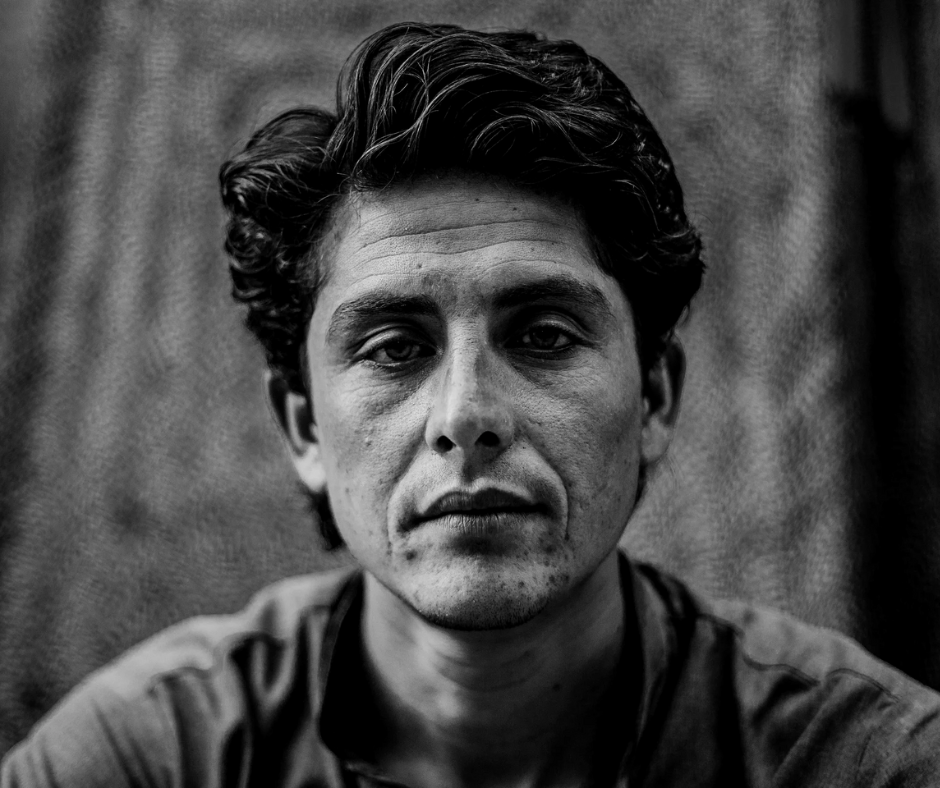
Many people carry burdens that did not begin with them.
Patterns of anxiety, grief, rage, shame, illness, infertility, addiction, or repeated life struggles often run through families — not merely as genetics, but as inherited susceptibility. Classical homeopathy has described and worked with this phenomenon for over 200 years, long before the modern term “ancestral trauma” existed.
In homeopathy, this inheritance is understood through miasmatic disease, susceptibility, and the dynamic nature of illness — not as a psychological concept alone, but as a disturbance of the vital force passed down through generations.
Ancestral Trauma Through the Lens of Classical Homeopathy
Hahnemann’s Insight: Chronic Disease Is Inherited
In The Chronic Diseases, Samuel Hahnemann clearly states that chronic illnesses are: “…the result of deep-seated miasmatic influences, often inherited and modified by life events.”
What modern language calls ancestral trauma, classical homeopathy understands as miasmatic taint — an inherited predisposition that shapes how a person reacts to stress, loss, infection, relationships, and life itself. This inheritance may express as:
- Repeating emotional themes (abandonment, fear, guilt, grief)
- Recurrent physical illnesses across generations
- Fixed coping patterns that do not respond to willpower or insight alone
- Illnesses triggered by stress rather than clear pathology
The Role of the Vital Force
Homeopathy does not treat trauma as an “event” stored in the brain. It treats trauma as a dynamic disturbance of the vital force. According to the Organon:
- The vital force governs health and disease
- Emotional shocks, grief, fright, prolonged stress, and unresolved suffering weaken it
- When susceptibility is inherited, the disturbance is deeper and more chronic
Ancestral trauma, therefore, is not something you “remember” — it is something your system reacts from.
How Ancestral Patterns Appear in a Case
In clinical practice, ancestral trauma often shows itself through:
1. Disproportionate Emotional Reactions
Strong responses to relatively small life events:
- Panic without cause
- Overwhelming grief
- Rage or withdrawal out of proportion
- Deep exhaustion after emotional stress
2. Repeating Life Themes
Across generations:
- Similar marriages, losses, illnesses
- Same emotional conflicts repeating in different forms
- The patient says, “This feels older than me.”
3. Chronic Functional Illness
Symptoms with little structural pathology:
- Hormonal imbalance
- Fatigue and burnout
- Autoimmune tendencies
- Anxiety-depression cycles
- Digestive or skin disorders linked to stress
These are classic expressions of chronic miasmatic disease, not merely psychological trauma.
How Homeopathy Works at This Level
Individualisation Is Key
Homeopathy does not treat “ancestral trauma” as a diagnosis. Instead, the practitioner studies:
- The patient’s emotional reactions
- Characteristic fears, grief patterns, and sensitivities
- Physical generals (sleep, appetite, temperature, energy)
- Family history of disease and emotional themes
- Direction and evolution of symptoms over time
The remedy is selected on the totality, not on the story alone.
Miasmatic Understanding
Ancestral trauma often corresponds to deep miasmatic layers:
- Psora – inherited fear, insecurity, struggle, sensitivity
- Sycosis – suppression, guilt, shame, fixed coping mechanisms
- Syphilis – despair, self-destruction, deep grief, loss, or degeneration
Most patients show mixed miasmatic states, and the remedy chosen resonates with the active layer at that moment.
Remedy Action: Releasing, Not Re-living
A correctly chosen constitutional or deep-acting remedy may:
- Bring long-suppressed emotions gently to awareness
- Allow grief or fear to move and resolve without overwhelm
- Shift lifelong patterns of reaction
- Improve physical health alongside emotional balance
Importantly, homeopathy does not force catharsis. Healing follows Hering’s Law — from within outward, from deeper to more superficial, and from past to present. Patients often report:
- Emotional lightness
- Less reactivity
- A sense of being more “themselves”
- Physical symptoms improving alongside emotional stability
Homeopathic Remedies Commonly Seen in Ancestral Trauma Cases
(Always individualised — not prescribed by diagnosis)
Below are remedies frequently encountered in cases where ancestral trauma forms a central theme. These are examples, not protocols.
Natrum muriaticum
A key remedy for inherited grief. Often seen in families with:
- Long-standing, unexpressed sorrow
- Emotional restraint passed down through generations
- Silent suffering, duty-bound endurance
Clinical picture:
- Deep grief from past losses
- Inability to cry easily
- Dwelling on old hurts
- Strong sense of responsibility
- Emotional isolation despite appearing composed
Miasmatic background: Psora with syphilitic undertones
Frequently indicated when grief feels “older than the patient.”
Sepia
A classic remedy for inherited emotional exhaustion, especially in women. Family patterns may include:
- Overburdened women
- Emotional neglect
- Loss of joy across generations
Clinical picture:
- Emotional indifference or irritability
- Desire to be alone
- Burnout from prolonged stress
- Hormonal and reproductive disturbances
- Better from exercise, worse from consolation
Miasmatic background: Sycosis with psoric depletion
Carcinosin
One of the most important remedies in ancestral trauma cases. Often seen where there is:
- Strong family history of cancer, tuberculosis, diabetes, or autoimmune disease
- Generations of suppressed emotion, duty, or perfectionism
Clinical picture:
- Extreme sense of responsibility from childhood
- People-pleasing, high sensitivity
- Suppressed anger or grief
- Love of music, animals, nature
- Insomnia, anxiety, hormonal or immune issues
Miasmatic background: Mixed miasm, especially syphilitic and tubercular
Represents long-standing inherited suppression.
Calcarea carbonica
Represents inherited insecurity and fear of instability. Family patterns may include:
- Chronic anxiety about survival, health, or finances
- Dependence and fear passed through generations
Clinical picture:
- Fear of illness, poverty, or failure
- Easily overwhelmed
- Physical heaviness, sluggish metabolism
- Tendency to exhaustion and burnout
Miasmatic background: Psora
Staphysagria
Often indicated where ancestral trauma involves suppressed anger or humiliation. Family themes:
- Abuse, domination, or silenced suffering
- “Good behavior” valued over emotional truth
Clinical picture:
- Strong sense of injustice
- Suppressed rage
- Emotional collapse after long restraint
- Physical complaints following emotional injury
Miasmatic background: Sycosis
Aurum metallicum
Seen in families with deep despair or loss of status. Clinical picture:
- Profound sense of failure or worthlessness
- Strong sense of duty and responsibility
- Depression with self-reproach
- Improvement from work and structure
Miasmatic background: Syphilitic
Silicea
Represents inherited weakness of resistance and confidence. Clinical picture:
- Lack of stamina
- Fear of failure
- Sensitivity to stress
- Chronic, slow-developing illnesses
- Difficulty letting go emotionally
Miasmatic background: Psora with sycotic elements
Why Talking Alone Is Often Not Enough
Ancestral trauma is not always accessible to conscious memory. Because it is inherited susceptibility, insight alone cannot undo it. Homeopathy works dynamically, helping the vital force reorganize itself — something that does not rely on remembering or reprocessing events. This is why homeopathy can help even when:
- The patient doesn’t know the family history
- The trauma predates living relatives
- The suffering feels vague but persistent
Long-Term Case Management
From a classical perspective, healing ancestral trauma is:
- Gradual
- Layered
- Individualized
Remedies may change as deeper layers surface. Periods of emotional processing may alternate with physical improvement. The practitioner observes carefully, avoiding suppression, repetition, or premature remedy changes. This is not quick symptom relief — it is constitutional healing.
In Summary
Homeopathy helps with ancestral trauma by:
- Addressing inherited susceptibility, not just life events
- Working through the vital force, not the intellect alone
- Following miasmatic principles described by Hahnemann
- Respecting the direction and pace of true cure
When practiced classically, homeopathy offers a gentle yet profound way to resolve burdens that have travelled through generations — allowing the individual to live more freely, with less unconscious weight from the past.
Leave a Reply