
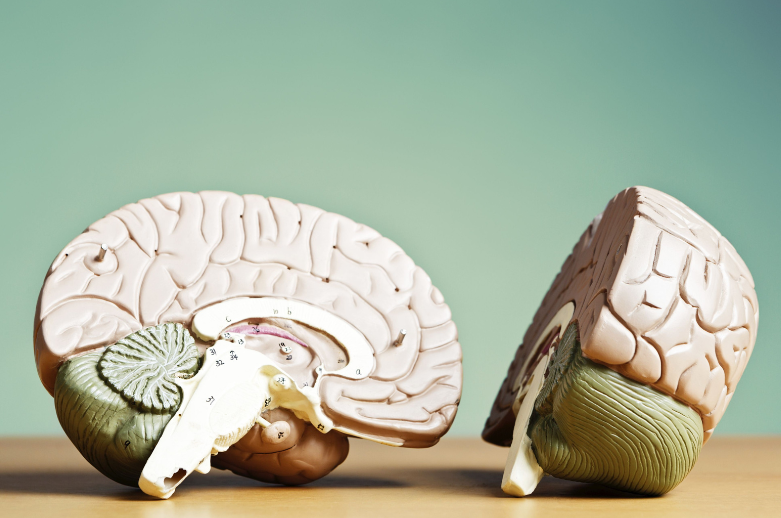
Stroke is a medical emergency and one of the leading causes of disability worldwide. It occurs when blood supply to part of the brain is interrupted—either due to a blockage (ischemic stroke) or bleeding (hemorrhagic stroke)—resulting in damage to brain tissue. Common warning signs include sudden weakness or paralysis, facial drooping, difficulty speaking, confusion, vision changes, severe headache, or loss of consciousness.
From a medical and ethical standpoint, it is essential to state clearly: Emergency medical treatment is critical in all strokes. In these situations, every minute matters. Immediate medical intervention can save life, brain tissue, and long-term function.
Homeopathy does not replace hospital care, imaging, clot-removal procedures, surgery, or rehabilitation therapies. However, when used responsibly and alongside conventional care, classical homeopathy may offer supportive benefits at different stages of stroke—particularly in recovery, rehabilitation, and the management of post-stroke complications.
Understanding the Stages of Stroke Care
From a clinical perspective, stroke care can be understood in three broad stages:
- Acute emergency phase
- Post-acute stabilization phase
- Rehabilitation and long-term recovery phase
Homeopathy’s role—if any—differs significantly at each stage.
1. Acute Stage of Stroke (Emergency Phase)
The acute stage includes the first hours to days after stroke onset. This phase requires immediate emergency services, hospitalization, and neurological evaluation.
Important Boundary
Homeopathy must never delay emergency care. Any homeopathic intervention at this stage, if considered at all, is strictly adjunctive and under professional supervision. These remedies are not protocols and are never self-prescribed.
Homeopathic Remedies Traditionally Considered (Adjunctive Only)
Belladonna
May be considered when stroke onset is sudden and violent, with intense headache, facial flushing, heat, throbbing carotids, and sensitivity to light or noise. The picture is one of acute vascular congestion.
Glonoinum
Traditionally associated with sudden surges in blood pressure, pulsating headaches, and a sensation of fullness or bursting in the head. It may be considered when symptoms worsen with heat or sun exposure.
Opium
Considered in cases of deep stupor, coma, stertorous breathing, and lack of reaction. The patient appears profoundly unresponsive rather than congested or agitated.
Crotalus horridus
Historically associated with hemorrhagic tendencies, altered consciousness, and systemic collapse. It has been discussed in cases of hemorrhagic stroke with coma, dark or non-coagulating blood tendencies, and profound weakness—always with extreme caution and medical collaboration.
2. Post-Acute Stage (Stabilization Phase)
Once the patient is medically stabilized and out of immediate danger, attention shifts toward preventing complications and supporting neurological recovery. At this stage, homeopathy may be more safely introduced as complementary care, under supervision.
Remedies Commonly Considered
Arnica montana
Often used after trauma or vascular insult. It may be helpful post-stroke when there is soreness, bruised sensation, or recovery following surgical or interventional procedures.
Lachesis mutus
Considered when there is left-sided paralysis, difficulty speaking, worsening after sleep, and marked vascular sensitivity. Emotional intensity and mental overstimulation may also be present.
Plumbum metallicum
Traditionally associated with paralysis, nerve degeneration, and slow recovery. It may be considered when weakness persists with profound fatigue and cognitive dullness.
Gelsemium sempervirens
Often considered when weakness, heaviness, trembling, and slow responses dominate the picture. The patient may feel mentally dull, fearful, or overwhelmed.
3. Rehabilitation and Long-Term Recovery Phase
This stage may last months to years and focuses on improving quality of life, mobility, speech, cognition, and emotional health. Classical homeopathy at this stage becomes more constitutional, addressing the individual’s nervous system resilience, stress response, and overall vitality.
Common Post-Stroke Complications and Homeopathic Support
1. Paralysis and Weakness
Causticum
Frequently considered for paralysis with stiffness, muscle weakness, and difficulty initiating movement. Often associated with emotional suppression and grief.
Plumbum metallicum
Useful where paralysis is accompanied by wasting, rigidity, or slow nerve regeneration.
2. Speech and Swallowing Difficulties
Lachesis mutus
May be considered when speech is difficult, words are lost, or symptoms worsen after sleep.
Causticum
Often considered when there is weakness of the tongue, hoarseness, or difficulty forming words.
3. Post-Stroke Depression and Emotional Changes
Emotional changes after stroke are common and medically recognized.
Ignatia amara
Considered when grief, emotional suppression, mood swings, or sighing predominate.
Natrum muriaticum
Often considered when the patient becomes withdrawn, reserved, or emotionally closed following illness.
4. Cognitive Impairment and Memory Issues
Anacardium orientale
May be considered when memory is impaired, concentration is poor, and there is mental confusion or lack of confidence.
Baryta carbonica
Sometimes considered in elderly patients with cognitive slowing, insecurity, and mental fatigue.
5. Spasticity, Pain, and Muscle Tightness
Rhus toxicodendron
Traditionally associated with stiffness, restlessness, and pain that improves with gentle movement.
Cuprum metallicum
May be considered where muscle spasms, cramps, or twitching are prominent.
6. Fatigue and Nervous System Exhaustion
Phosphoric acid
Often considered when exhaustion follows prolonged illness, with mental fatigue and apathy.
Kali phosphoricum
Associated with nervous exhaustion, weakness, and mental burnout during prolonged recovery.
A Whole-Person Perspective
Stroke recovery is not just neurological—it is physical, emotional, hormonal, and psychological. Classical homeopathy, when integrated thoughtfully, aims to support:
- Nervous system regulation
- Emotional resilience
- Adaptation to life changes
- Overall vitality during rehabilitation
It works best in collaboration with medical care, physiotherapy, speech therapy, and lifestyle support.
Final Thoughts
Stroke requires humility, teamwork, and respect for medical science. Emergency medicine saves lives. Rehabilitation restores function. Homeopathy, used ethically, may support the deeper process of healing.
Medical Disclaimer
This content is for educational purposes only and is not intended to diagnose, treat, cure, or prevent disease. Stroke is a medical emergency requiring immediate hospital care. Homeopathy should only be used as complementary care under the supervision of a qualified healthcare professional and must never replace emergency medical treatment.