
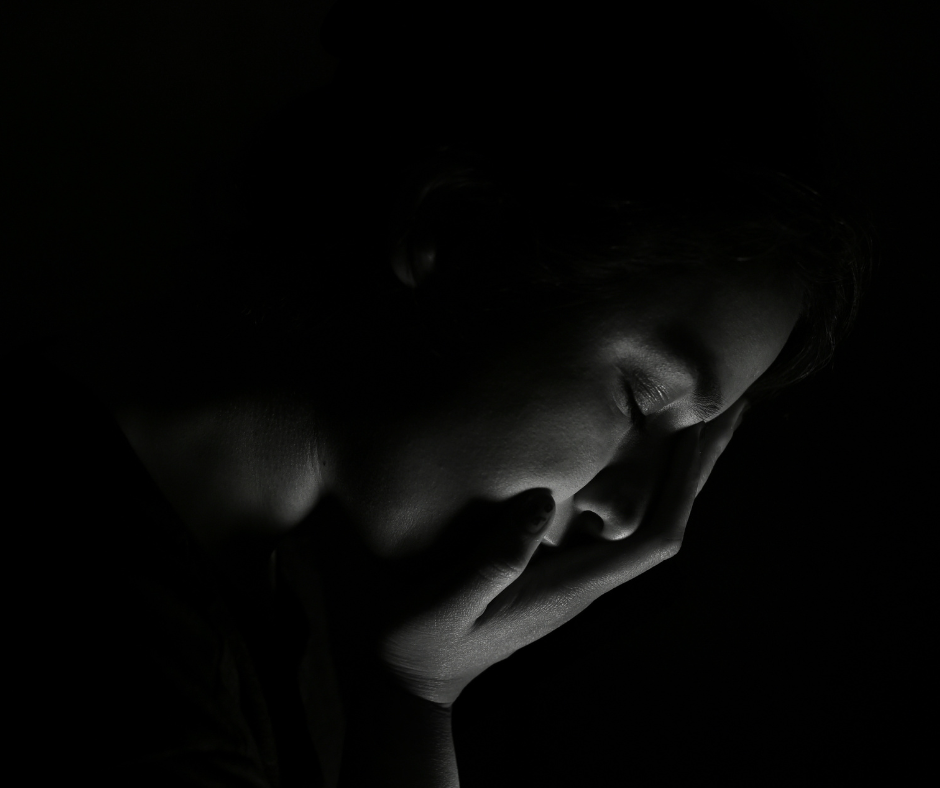
Grief is not an illness to be fixed. It is a natural, human response to loss — whether that loss is sudden or anticipated, visible or quietly life-altering. Yet for many people, grief does not move in a neat, linear way. It can linger, deepen, or become stuck, affecting sleep, immunity, hormones, digestion, and emotional resilience.
Classical homeopathy offers a gentle, individualised way to support people through grief and bereavement, without suppressing emotions or rushing the healing process. Rather than trying to “take away” grief, homeopathy supports the vital force so the person can process and integrate the loss in their own time.
Understanding Grief as a Whole-Person Experience
Grief affects far more than emotions alone. Many people notice physical and nervous system symptoms such as:
- Profound fatigue or weakness
- Sleep disturbances
- Anxiety, palpitations, or chest tightness
- Digestive upset or loss of appetite
- Brain fog or poor concentration
- Hormonal disruption or menstrual changes
- Increased susceptibility to illness
From a classical homeopathic perspective, grief can act as a significant aetiological factor — a cause of disease — especially when it is sudden, unresolved, or layered upon existing stress or burnout.
Samuel Hahnemann reminds us in The Organon of Medicine (§5) that understanding the exciting and maintaining causes of illness is essential to cure. Emotional shocks such as bereavement can disturb the vital force long after the event itself.
When Does Grief Need Support?
Grief is individual. There is no “correct” timeline. However, support may be helpful when:
- Emotions feel frozen, suppressed, or overwhelming
- There is persistent numbness or inability to feel
- Grief expresses itself primarily through physical symptoms
- Anxiety, panic, or insomnia become entrenched
- The person cannot resume daily life months later
- Old losses resurface with unexpected intensity
Homeopathy does not pathologise grief — it supports the person through it.
The Homeopathic Approach to Grief and Bereavement
Classical homeopathy is based on several key principles:
- Individualisation: The same loss can affect two people very differently. The remedy must match the person, not the event.
- Totality of symptoms: Emotional, mental, and physical symptoms are considered together.
- Minimum dose: A gentle stimulus is used to support healing without overwhelm.
- Dynamic healing: Grief is understood as a disturbance of the vital force, not merely a psychological state.
In acute grief, a carefully chosen remedy can help stabilise emotions, support sleep, and prevent long-term complications. In prolonged or layered grief, constitutional prescribing by a professional homeopath may be needed.
Homeopathic Remedies Commonly Indicated in Grief
The following remedies are examples, not a checklist. Remedy choice must always be based on the individual’s full symptom picture.
Ignatia amara
Ignatia is often indicated in the early stages of grief, especially when emotions are intense, changeable, or suppressed. Keynote: Acute grief, shock, and emotional contradiction.
Emotional Picture:
- Rapid mood changes
- Sighing or sobbing
- Lump in throat sensation
- Suppressed tears or sudden outbursts
- Strong reactions to consolation (often worse)
Physical Clues:
- Spasms, headaches, palpitations
- Sleep disturbed by emotional turmoil
Natrum muriaticum
Natrum muriaticum is commonly indicated when grief becomes chronic or internalised, especially months or years after the loss. Keynote: Silent, internalised grief.
Emotional Picture:
- Reserved, private sorrow
- Dwelling on past loss
- Discomfort with consolation
- Appears composed but deeply affected
Physical Clues:
- Headaches
- Fatigue
- Sleep disturbances
- Emotional withdrawal
Phosphoric acid
This remedy is often indicated when grief leads to burnout or depletion, rather than emotional expression. Keynote: Grief with exhaustion and emotional collapse.
Emotional Picture:
- Apathy
- Emotional flatness
- Indifference rather than sadness
- Too tired to grieve
Physical Clues:
- Profound weakness
- Hair loss after grief
- Poor concentration
- Desire to lie down
Pulsatilla pratensis
Pulsatilla is often indicated when grief is accompanied by emotional openness and dependency. Keynote: Grief with need for connection and reassurance.
Emotional Picture:
- Tearful, soft, yielding
- Seeks comfort and company
- Emotions easily expressed
- Feels better when supported
Physical Clues:
- Changeable symptoms
- Hormonal sensitivity
- Better in fresh air
Aurum metallicum
Aurum may be indicated when grief triggers existential despair, especially in individuals with a strong sense of duty. Keynote: Grief with despair and loss of purpose.
Emotional Picture:
- Deep sadness
- Feelings of worthlessness
- Guilt or self-reproach
- Loss of meaning after bereavement
Physical Clues:
- Heaviness
- Depression worse at night
- History of strong responsibility or perfectionism
Arsenicum album
Arsenicum is often indicated when grief destabilises the nervous system and creates fearful vigilance. Keynote: Grief with anxiety and restlessness.
Emotional Picture:
- Fear of being alone
- Health anxiety
- Need for reassurance
- Inner agitation
Physical Clues:
- Insomnia after midnight
- Weakness with anxiety
- Desire for warmth
Acute vs Chronic Grief in Homeopathy
Acute prescribing may help with:
- Recent loss
- Shock or emotional overwhelm
- Sleeplessness or anxiety following bereavement
Chronic prescribing is needed when:
- Grief remains unresolved
- Physical illness develops after loss
- Old grief layers combine with new stress
- There is long-standing emotional suppression
Chronic grief often requires constitutional treatment and careful professional case-taking.
Grief, the Nervous System, and Long-Term Health
Unresolved grief can place a sustained load on the nervous system, contributing to:
- Burnout
- Hormonal imbalance
- Immune weakness
- Chronic fatigue
Homeopathy works gently alongside rest, emotional support, and compassionate presence to help the system re-regulate rather than remain in survival mode. If grief is prolonged, intense, or accompanied by depression, panic, or physical decline, professional support is strongly advised.
Final Thoughts
Grief is not something to be hurried. It is something to be held, witnessed, and supported. Classical homeopathy does not aim to erase loss or blunt emotion. Instead, it offers a way to support the individual so grief can move, soften, and integrate — without becoming a long-term burden on health.
Grief is love that has nowhere to go. Homeopathy helps the system carry that love without collapsing under its weight. Healing does not mean forgetting. It means learning how to carry love and loss together, with less suffering and more resilience.
If you or someone you love is navigating bereavement and feels stuck, overwhelmed, or physically affected by grief, individualised homeopathic care can offer gentle, respectful support during a deeply human experience.
Leave a Reply