
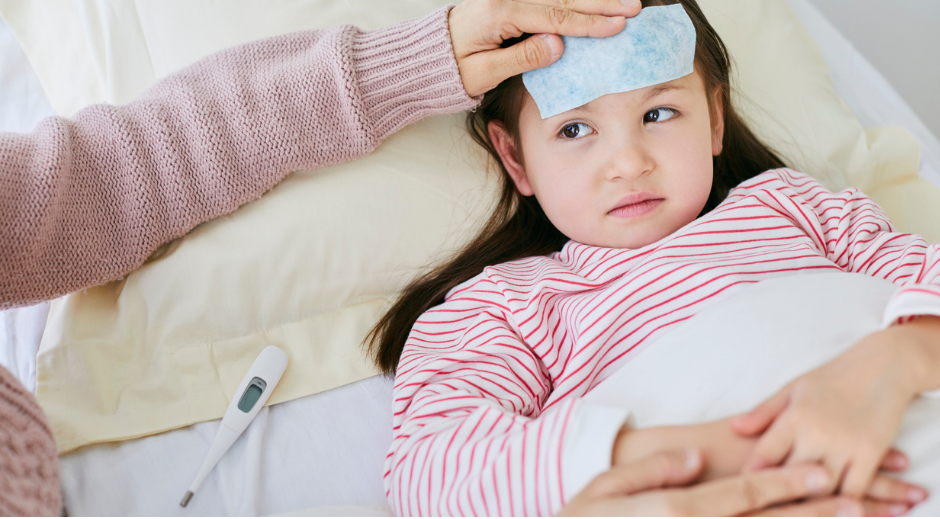
Each flu season brings its own challenges. Some years, symptoms feel stronger, recovery takes longer, and more people describe being “knocked flat” by illness. You may hear phrases like “super flu” used to describe particularly intense or widespread outbreaks.
Regardless of how severe a flu season feels, one thing remains constant: influenza can be serious, especially for young children, older adults, pregnant individuals, and those with chronic illness.
Homeopathy does not replace medical care for the flu. When used responsibly and early—and alongside conventional guidance—it may offer gentle, individualized support for symptom relief and recovery.
Homeopathy and the 2025 Flu Season
The 2025-26 flu season is shaping up to be one of the more active we’ve seen in recent years. In late 2025, U.S. health officials reported rising influenza activity tied largely to a variant of the influenza A (H3N2) virus called subclade K. This variant is spreading quickly and contributing to higher case numbers and hospital visits across many states amid holiday travel and gatherings.
Public health experts have noted that this strain isn’t fundamentally more severe than typical seasonal flu, but it is highly transmissible and causing widespread infections with symptoms such as fever, body aches, fatigue, and sometimes vomiting in children.
In this environment, it’s important to understand how homeopathy may play a supportive role while also recognizing the critical importance of conventional care, vaccination, and timely medical evaluation.
A Grounded Perspective on Flu Care
The flu is an infectious respiratory illness caused by influenza viruses. Annual flu seasons vary in timing and severity, due to evolving strains and how well the seasonal vaccine matches circulating viruses.
Seasonal influenza is unpredictable, but it can be serious—especially for infants, older adults, pregnant people, and individuals with chronic conditions. Medical care, rest, hydration, and appropriate monitoring are essential.
From a homeopathic perspective, the focus is not on “killing the virus,” but on supporting the body’s response to illness—how symptoms present, how the person feels overall, and how recovery unfolds.
How Homeopathy Is Used During Flu Illness
Homeopathy may be considered to:
- Support comfort during fever, body aches, and fatigue
- Ease restlessness, chills, or weakness
- Support emotional distress that can accompany acute illness
- Encourage a smoother recovery phase
Remedies are chosen based on the individual symptom picture, not just the name of the illness.
Commonly Considered Homeopathic Remedies for Flu Symptoms
The remedies below are examples commonly used by trained homeopaths in flu-like illnesses. They are not meant for self-prescribing and do not replace medical care.
Sudden Onset Flu Symptoms
- Aconitum napellus
Sudden onset after cold exposure or shock; high anxiety, restlessness, fear, and fever. - Belladonna
Rapid onset with high fever, heat, throbbing pain, flushed face, and sensitivity to light or noise.
Body Aches, Exhaustion, and “Hit by a Truck” Feeling
- Gelsemium sempervirens
Heavy fatigue, weakness, chills, headache, droopy eyelids, desire to lie still. - Bryonia alba
Severe body aches worse with movement, dryness, thirst, irritability, desire to be left alone. - Eupatorium perfoliatum
Intense bone and muscle pain, especially in the back and limbs, with chills and thirst.
Fever Patterns and Chills
- Ferrum phosphoricum
Early-stage fever, mild inflammation, fatigue without strong symptoms yet. - Arsenicum album
Fever with restlessness, anxiety, burning sensations, weakness, worse at night, desire for warmth and reassurance.
Cough, Chest, and Respiratory Discomfort
- Phosphorus
Chest tightness, burning sensations, cough with weakness, need for company and reassurance. - Antimonium tartaricum
Chest congestion with difficulty expectorating, rattling sounds, weakness.
Recovery and Post-Flu Weakness
- China officinalis
Weakness after prolonged fever, dehydration, or illness. - Phosphoric acid
Fatigue and depletion following illness, especially with emotional exhaustion.
Prevention, Immunity, and Realistic Expectations
Homeopathy is not a substitute for vaccination, medical prevention strategies, or public health guidance.
From a holistic perspective, supporting resilience may include:
- Adequate rest and hydration
- Stress reduction and nervous system support
- Nourishing food and recovery time
- Avoiding “pushing through” illness
Homeopathic constitutional care may be explored outside of acute illness to support overall balance—but this is individualized and gradual.
When to Seek Medical Care Immediately
Do not rely on homeopathy alone if there is:
- High or persistent fever
- Difficulty breathing or chest pain
- Confusion, severe weakness, or dehydration
- Worsening symptoms after initial improvement
- Flu symptoms in infants, elderly individuals, pregnant people, or those with chronic illness
Seek urgent medical care or call 911 in emergencies.
A Balanced, Compassionate Approach
Severe flu seasons can feel unsettling. The most supportive approach is one that combines medical care, informed decision-making, rest, and compassionate support.
When used responsibly, homeopathy may offer a gentle complementary layer of care, supporting comfort and recovery—never replacing medical treatment, but working respectfully alongside it.
If you’re unsure whether homeopathy is appropriate for your situation, a qualified practitioner can help you navigate options safely and thoughtfully.