
Main
-
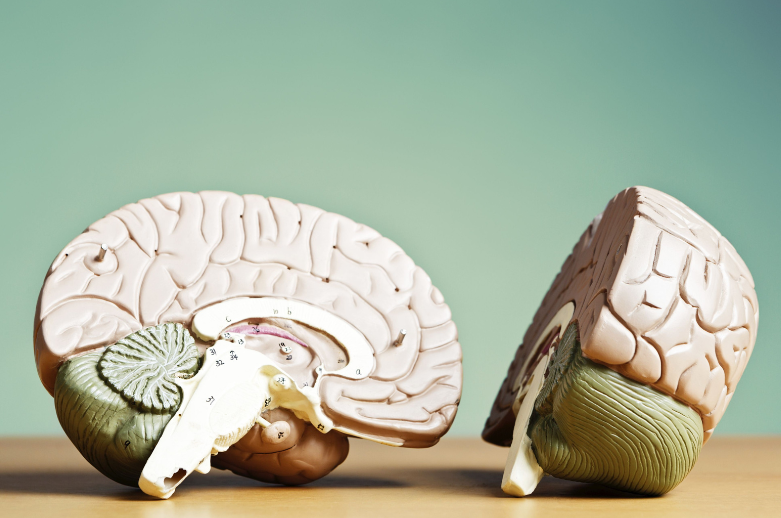
Homeopathy for Stroke: Supportive Care Across Different Stages of Recovery
Stroke is a medical emergency and one of the leading causes of disability worldwide. It occurs when blood supply to part of the brain is interrupted—either due to a blockage (ischemic stroke) or bleeding (hemorrhagic stroke)—resulting in damage to brain tissue. Common warning signs include sudden weakness or paralysis, facial drooping, difficulty speaking, confusion, vision…
-
How Do Family Genetics Affect the Remedies That Work for Me?
A homeopathic perspective on inherited patterns and individualized healing Many people come to homeopathy after noticing a familiar pattern: “I have the same migraines as my mother,” “Diabetes runs in my family,” or “Anxiety has affected generations of us.” It’s natural to wonder whether family genetics influence which homeopathic remedies will work best for you.…
-
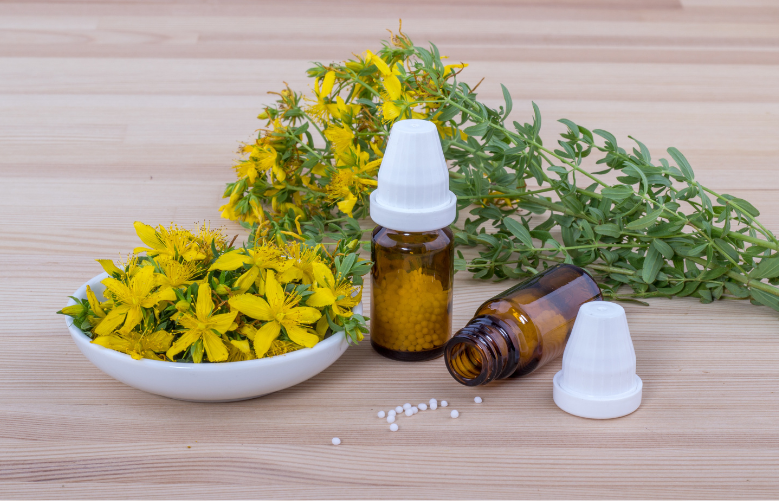
Different Methods of Prescribing in Homeopathy: How homeopaths choose remedies for acute, chronic, and complex cases
Homeopathy is both a science and an art. It is often described as a highly individualized system of medicine. While it grounds itself in the Law of Similars, homeopaths use different methods of prescribing depending on the nature of the illness, the person’s vitality, the duration of symptoms, and the goal of treatment. These approaches…
-
Is Homeopathy Right for You?
People often find homeopathy when something within them knows that health is more than symptom control. Still, it’s reasonable to ask: Is this approach right for me? Homeopathy May Be a Good Fit If You… Homeopathy tends to resonate with people who: It supports those who are curious about why symptoms are happening—not just how…
-
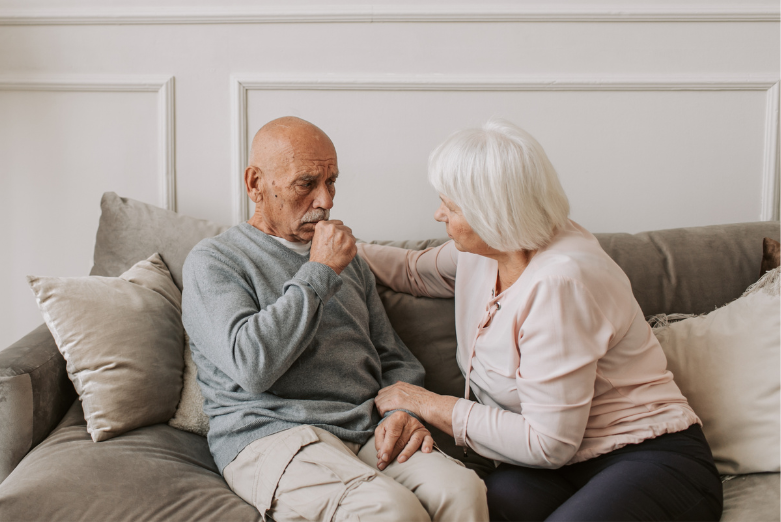
Why Two People With the Same Diagnosis Need Different Remedies
One of the most surprising aspects of classical homeopathy is that people with the same diagnosis often receive entirely different remedies. This is not a limitation of homeopathy—it is one of its greatest strengths. Diagnosis Is Not the Whole Story Medical diagnoses are useful. They help describe patterns of symptoms and guide necessary care. But…
-
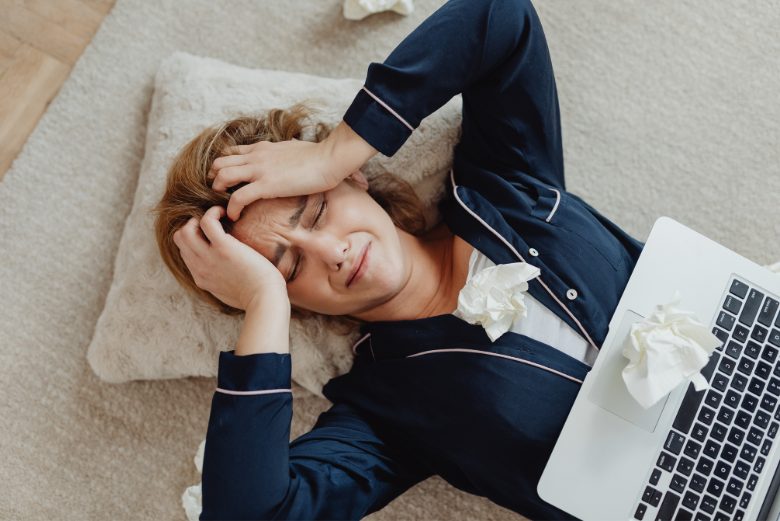
Homeopathy for Chronic Stress and Burnout
Many people today live in a state of ongoing stress that has become so familiar it feels normal. Productivity continues, responsibilities are met—but beneath the surface, the system is depleted. Burnout is not a personal failure. It is a physiological and emotional state in which the body’s ability to adapt has been exceeded. Classical homeopathy…
-

Client Feedback After the First Month: What Many People Notice
One of the most common questions new clients ask before starting homeopathic care is: “What should I expect in the first month?” While every person’s healing journey is unique, there are recurring themes that many clients share after their first four to six weeks of working together. Today, I’d like to reflect on some of…
-

What Happens After a Homeopathic Remedy? Understanding the Healing Response
One of the most common—and important—questions patients ask is:“What should I expect after taking a homeopathic remedy?” The period after a remedy is given is not passive—it is an active, dynamic phase where the vital force responds. The Remedy Does Not “Act” — You Do A homeopathic remedy does not force your body to change.…
-
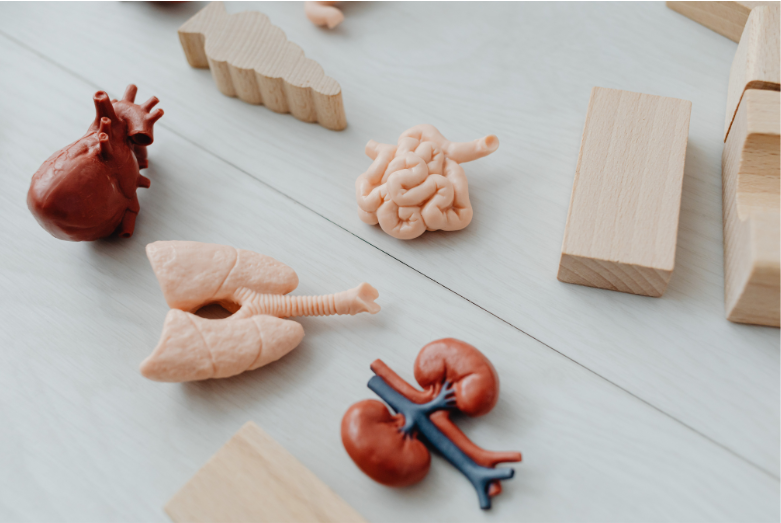
What Is Organ Support with Homeopathic Remedies?
In homeopathy, the phrase “organ support” can be misunderstood—especially by those new to holistic medicine. Unlike conventional approaches that aim to stimulate, suppress, or replace organ function, homeopathic organ support works by gently supporting the body’s innate capacity to regulate and heal itself. It is not about forcing an organ to “work harder,” nor about…
-

Why a Homeopath Needs to See Another Homeopath: The Importance of the Unprejudiced Observer
Homeopaths are trained to listen deeply, observe carefully, and prescribe without bias. Yet paradoxically, one of the most difficult people for a homeopath to prescribe for is themselves. This is not a personal failure. It is a philosophical and practical reality rooted in the foundations of homeopathy itself. The Limits of Self-Prescribing Most homeopaths have,…