
Main
-

Homeopathy for Chronic Stress and Burnout
Many people today live in a state of ongoing stress that has become so familiar it feels normal. Productivity continues, responsibilities are met—but beneath the surface, the system is depleted. Burnout is not a personal failure. It is a physiological and emotional state in which the body’s ability to adapt has been exceeded. Classical homeopathy
-

What Is Classical Homeopathy?
A Gentle, Individualized Approach to Healing Many people arrive at homeopathy after years of searching. They may have tried medications, supplements, diets, therapies—sometimes all at once—yet still feel that something essential has been missed. Symptoms may shift, labels may change, but true balance remains elusive. Classical homeopathy offers a different approach to healing—one that is
-

Client Feedback After the First Month: What Many People Notice
One of the most common questions new clients ask before starting homeopathic care is: “What should I expect in the first month?” While every person’s healing journey is unique, there are recurring themes that many clients share after their first four to six weeks of working together. Today, I’d like to reflect on some of
-

What Happens After a Homeopathic Remedy? Understanding the Healing Response
One of the most common—and important—questions patients ask is:“What should I expect after taking a homeopathic remedy?” The period after a remedy is given is not passive—it is an active, dynamic phase where the vital force responds. The Remedy Does Not “Act” — You Do A homeopathic remedy does not force your body to change.
-
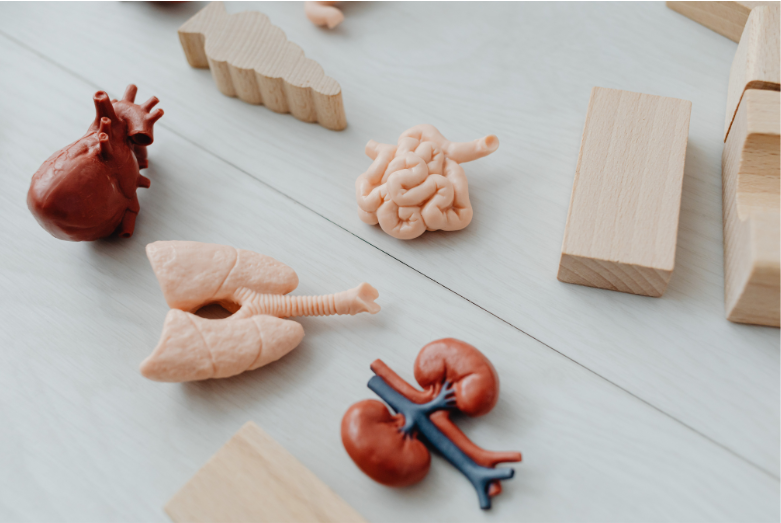
What Is Organ Support with Homeopathic Remedies?
In homeopathy, the phrase “organ support” can be misunderstood—especially by those new to holistic medicine. Unlike conventional approaches that aim to stimulate, suppress, or replace organ function, homeopathic organ support works by gently supporting the body’s innate capacity to regulate and heal itself. It is not about forcing an organ to “work harder,” nor about
-

Why a Homeopath Needs to See Another Homeopath: The Importance of the Unprejudiced Observer
Homeopaths are trained to listen deeply, observe carefully, and prescribe without bias. Yet paradoxically, one of the most difficult people for a homeopath to prescribe for is themselves. This is not a personal failure. It is a philosophical and practical reality rooted in the foundations of homeopathy itself. The Limits of Self-Prescribing Most homeopaths have,
-

Can Homeopathy Help You Lose Weight?
Weight loss is rarely just about calories. For many people, weight gain is connected to stress, hormones, emotional patterns, sleep disruption, digestive imbalance, medications, or long-standing health challenges. When these underlying factors are ignored, weight loss plans often feel punishing, short-lived, or discouraging. Homeopathy does not promise quick weight loss or miracle results. Instead, it
-

Taking Back Responsibility for Your Own Health: A Homeopathic Perspective
For many people, the idea of “taking responsibility for your health” can feel heavy—or even shaming. It can sound like you’re being told that illness is your fault, or that you should somehow have done better. In homeopathy, healing is not something that is done to you. It is something that unfolds from within, with
-

How a Constitutional Remedy Can Improve Your First-Aid Prescribing Results
When people think of homeopathic first aid, they often think of a short list of remedies: Arnica for injuries, Aconite for shock, Belladonna for sudden fever. These remedies can be incredibly helpful—and for many situations, they are enough. But experienced homeopaths often notice something interesting: First-aid remedies work faster, deeper, and more consistently when the
-

Homeopathic Detoxing: A Gentle Healing Process
The idea of “detoxing” has become synonymous with cleanses, supplements, and aggressive elimination protocols. Homeopathic detoxing is very different. It does not force the body to purge toxins. Instead, it works by supporting the body’s own intelligence to heal, regulate, and release what no longer serves it—physically, emotionally, and energetically. What Does Detox Mean in