
Main
-
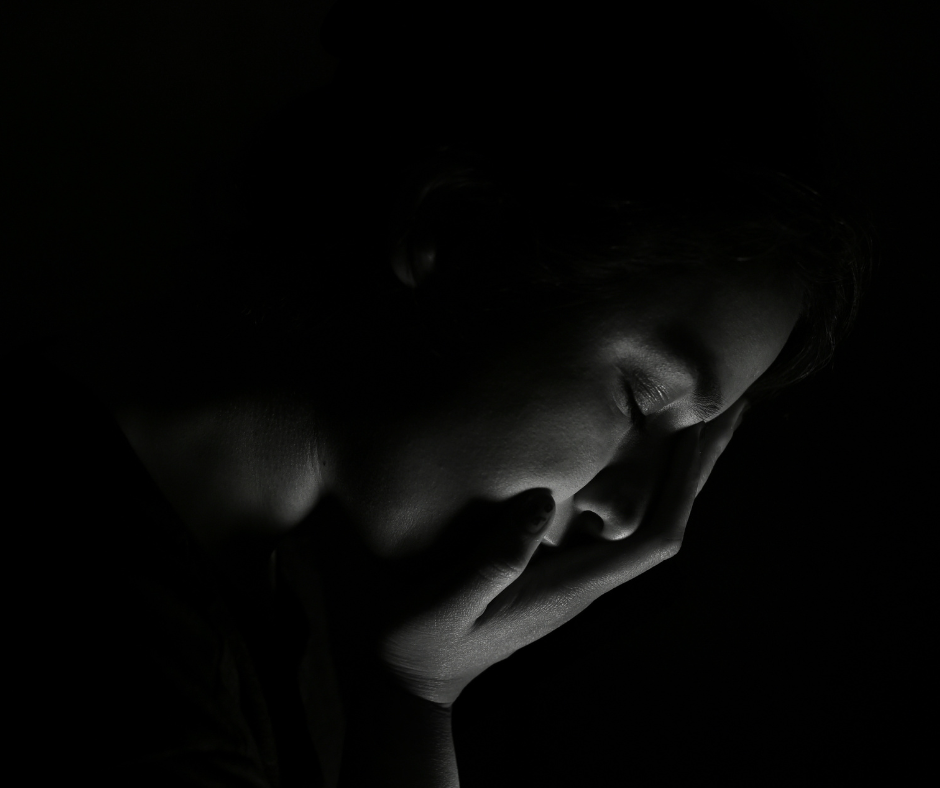
Homeopathy for Grief and Bereavement: Gentle, Individualised Support During Loss
Grief is not an illness to be fixed. It is a natural, human response to loss — whether that loss is sudden or anticipated, visible or quietly life-altering. Yet for many people, grief does not move in a neat, linear way. It can linger, deepen, or become stuck, affecting sleep, immunity, hormones, digestion, and emotional
-
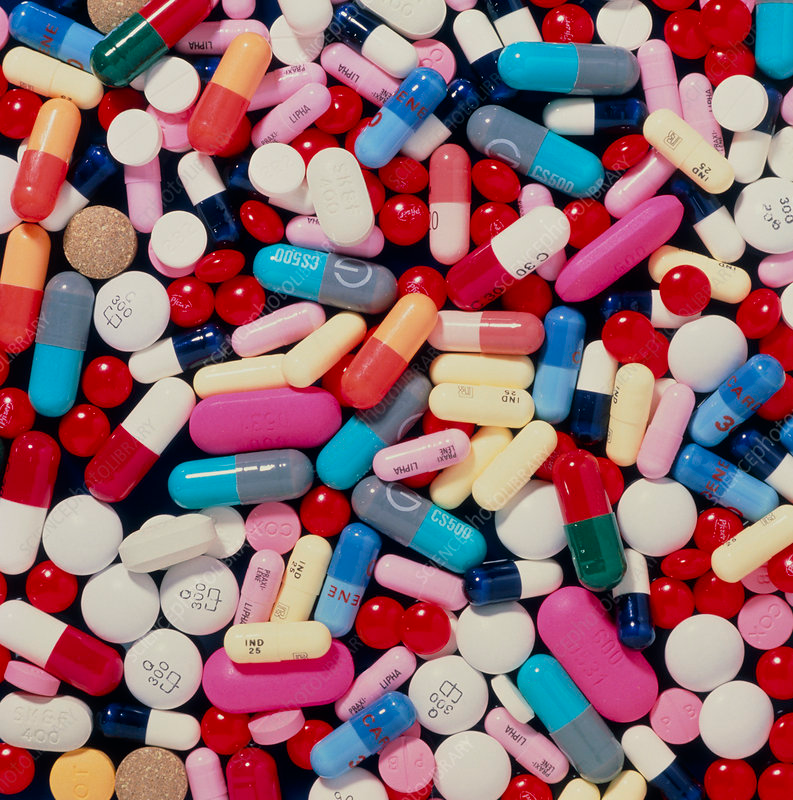
What Is the Difference Between Homeopathy and Supplements?
Many patients ask this thoughtful question: “Isn’t homeopathy just another type of natural supplement?” It’s an important distinction. While both homeopathy and nutritional supplements are considered “natural” approaches, they are fundamentally different in philosophy, preparation, dosing, and how they act in the body. Let’s clarify. 1. What Is Homeopathy? Samuel Hahnemann developed homeopathy in the
-
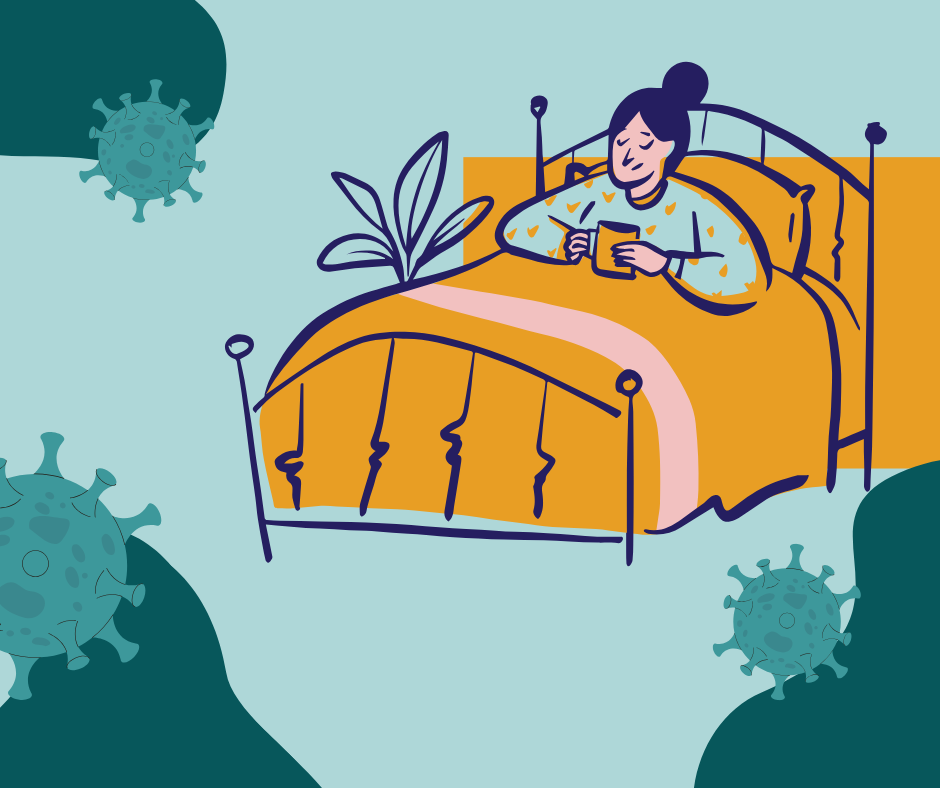
Homeopathy for Long COVID: Gentle Support for Recovery, Fatigue, and Nervous System Regulation
Long COVID has emerged as one of the most challenging post-viral syndromes of our time. For many individuals, recovery from the acute infection does not mark the end of the illness. Instead, symptoms persist for weeks or months — sometimes fluctuating, sometimes debilitating. As a homeopathic consultant working with burnout, fatigue, and nervous system dysregulation,
-
What Does a Day in the Life of a Homeopath Look Like?
People often imagine a homeopath’s day as calm, herbal teas in hand, gently dispensing remedies in a quiet room. While there is a lot of listening and gentleness involved, a real day in clinical practice is also deeply analytical, emotionally present, and surprisingly dynamic. Here’s a peek behind the scenes of a typical day in
-
How Does Homeopathy Help With Ancestral Trauma?
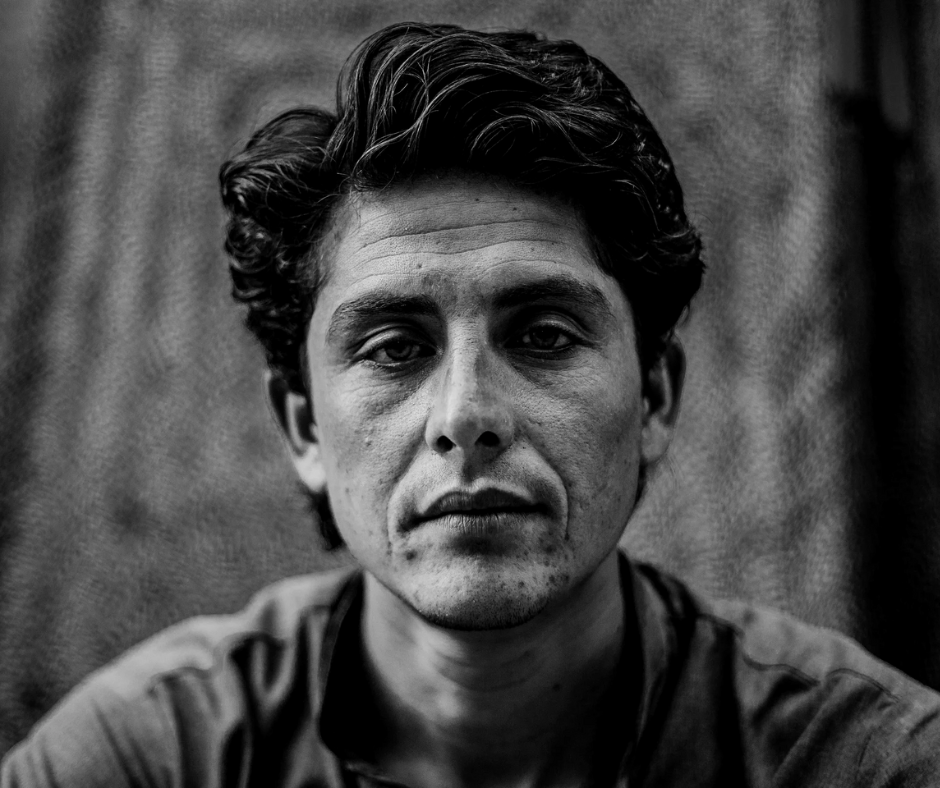
Many people carry burdens that did not begin with them. Patterns of anxiety, grief, rage, shame, illness, infertility, addiction, or repeated life struggles often run through families — not merely as genetics, but as inherited susceptibility. Classical homeopathy has described and worked with this phenomenon for over 200 years, long before the modern term “ancestral
-
Homeopathy for Stroke: Supportive Care Across Different Stages of Recovery
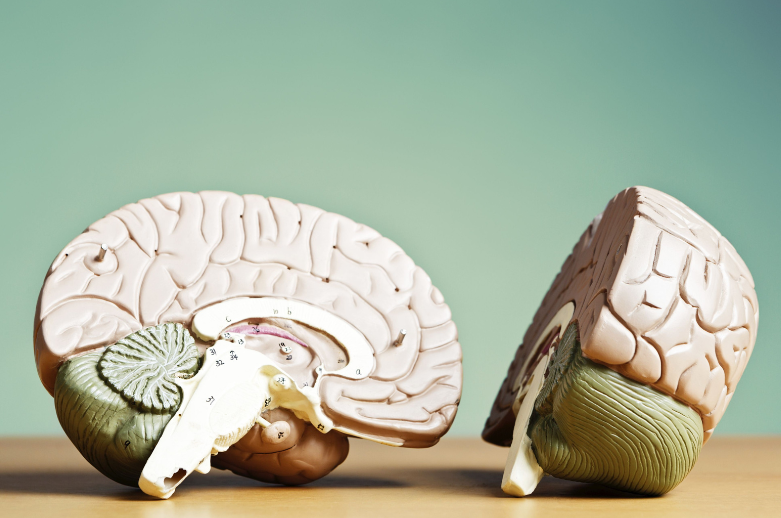
Stroke is a medical emergency and one of the leading causes of disability worldwide. It occurs when blood supply to part of the brain is interrupted—either due to a blockage (ischemic stroke) or bleeding (hemorrhagic stroke)—resulting in damage to brain tissue. Common warning signs include sudden weakness or paralysis, facial drooping, difficulty speaking, confusion, vision
-
How Do Family Genetics Affect the Remedies That Work for Me?
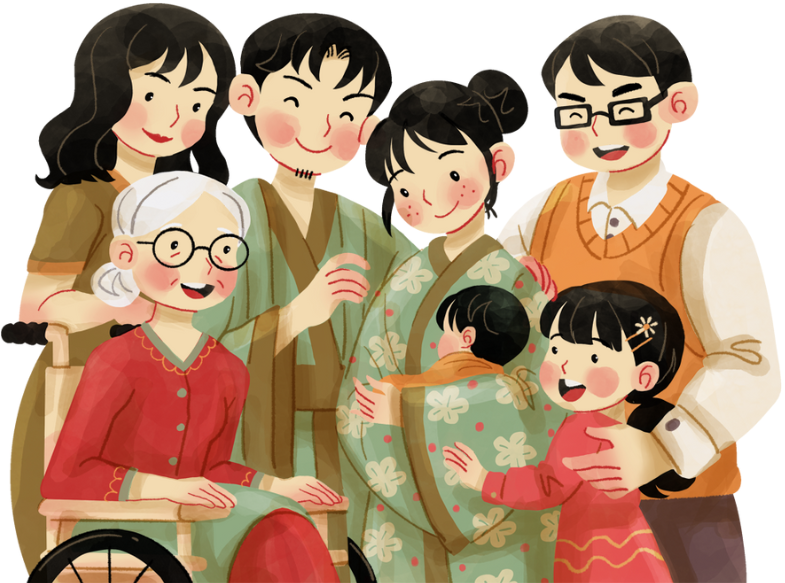
A homeopathic perspective on inherited patterns and individualized healing Many people come to homeopathy after noticing a familiar pattern: “I have the same migraines as my mother,” “Diabetes runs in my family,” or “Anxiety has affected generations of us.” It’s natural to wonder whether family genetics influence which homeopathic remedies will work best for you.
-
Different Methods of Prescribing in Homeopathy: How homeopaths choose remedies for acute, chronic, and complex cases
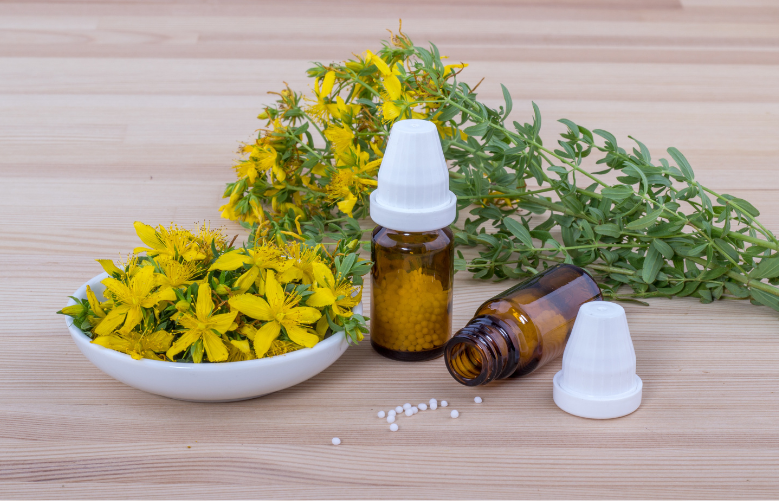
Homeopathy is both a science and an art. It is often described as a highly individualized system of medicine. While it grounds itself in the Law of Similars, homeopaths use different methods of prescribing depending on the nature of the illness, the person’s vitality, the duration of symptoms, and the goal of treatment. These approaches
-
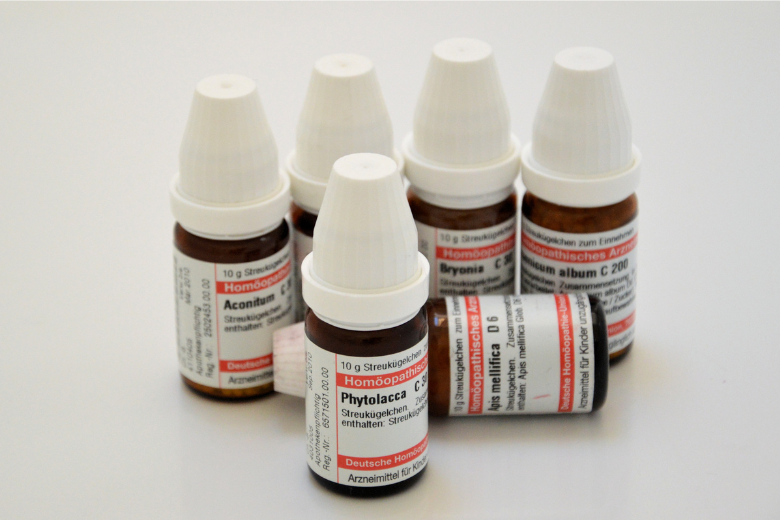
Is Homeopathy Right for You?
People often find homeopathy when something within them knows that health is more than symptom control. Still, it’s reasonable to ask: Is this approach right for me? Homeopathy May Be a Good Fit If You… Homeopathy tends to resonate with people who: It supports those who are curious about why symptoms are happening—not just how
-
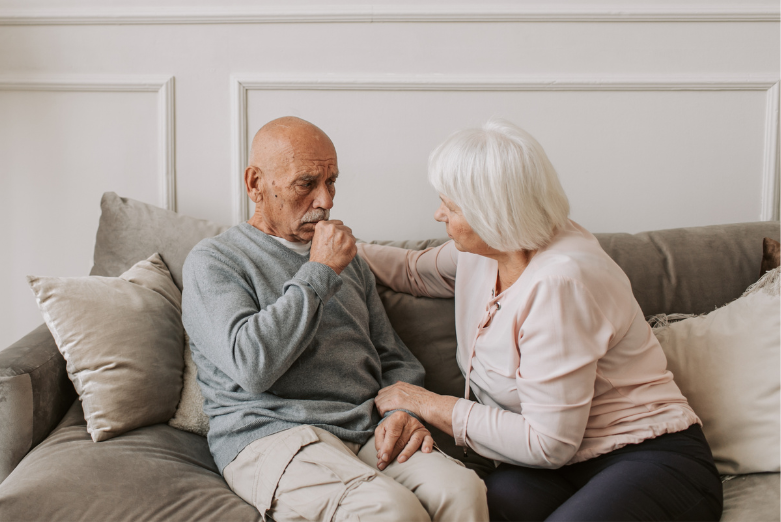
Why Two People With the Same Diagnosis Need Different Remedies
One of the most surprising aspects of classical homeopathy is that people with the same diagnosis often receive entirely different remedies. This is not a limitation of homeopathy—it is one of its greatest strengths. Diagnosis Is Not the Whole Story Medical diagnoses are useful. They help describe patterns of symptoms and guide necessary care. But